
Tenebrism
Darkness as a Dramatic Field
Emerging at the threshold between the late Renaissance and the Baroque, Tenebrism – tenebros (dark) – describes a radical use of darkness in which strongly illuminated figures or objects emerge against expanses of profound, often nearly impenetrable shadow.
Unlike Chiaroscuro, whose graduated transitions between light and shade primarily model volume and spatial depth, tenebrism makes darkness itself a dominant compositional presence. Illumination becomes selective, concentrated, and theatrical: it isolates bodies, gestures, and faces while suppressing surrounding space. The result is not simply heightened naturalism, but an intensified encounter between the visible and the unseen, in which light determines what the spectator is permitted to perceive.
Caravaggio transformed this principle into one of the defining visual languages of early Baroque painting. In the Calling of Saint Matthew (1599–1600), a diagonal shaft of light penetrates a darkened interior, simultaneously directing the eye and giving physical form to the moment of spiritual revelation. In the Conversion of Saint Paul (1600–01), illumination isolates the fallen saint within an otherwise compressed field of darkness, turning divine intervention into an immediate bodily experience; while in Artemisia Gentileschi’s Judith Slaying Holofernes (1612–13), concentrated light brings the protagonists violently forward from the surrounding blackness, intensifying gesture, materiality, and psychological tension.
In Tenebrism, darkness is not merely the absence of light: It becomes an active pictorial space from which revelation, violence, faith, and human presence suddenly emerge.
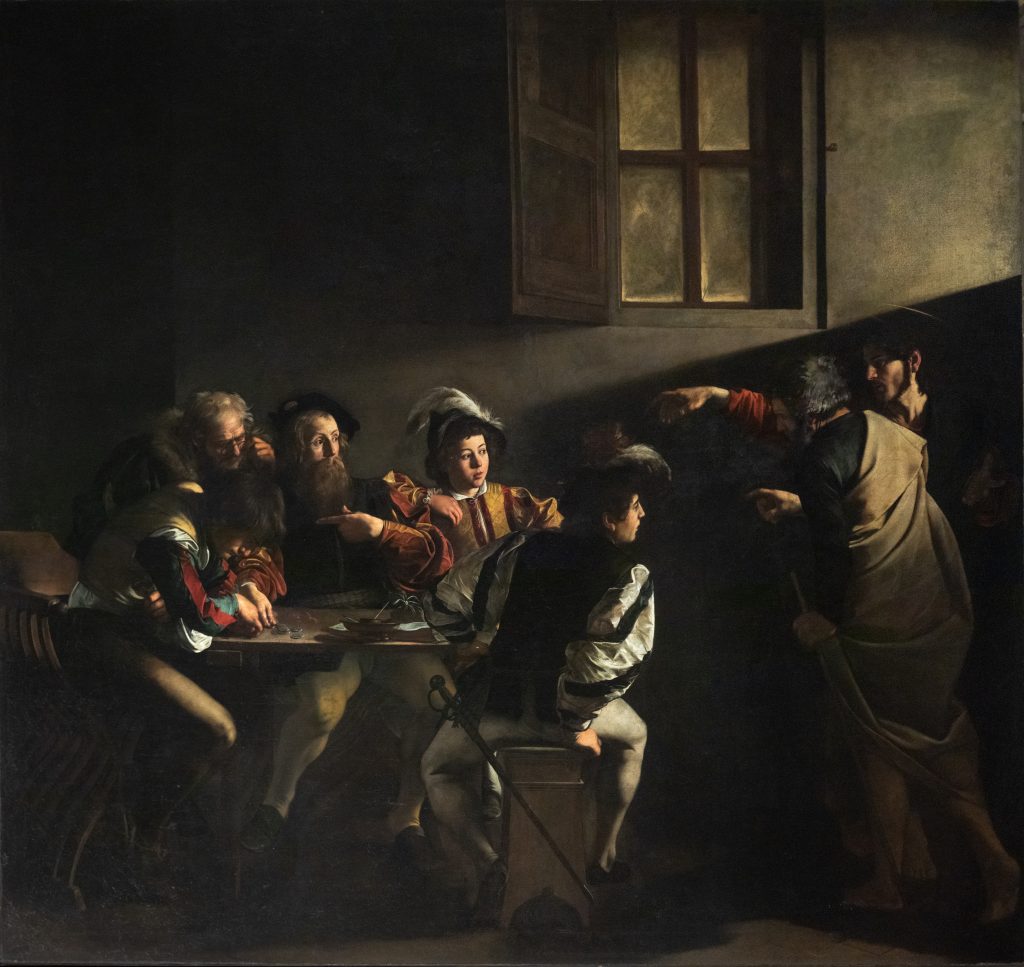
The Calling of Saint Matthew
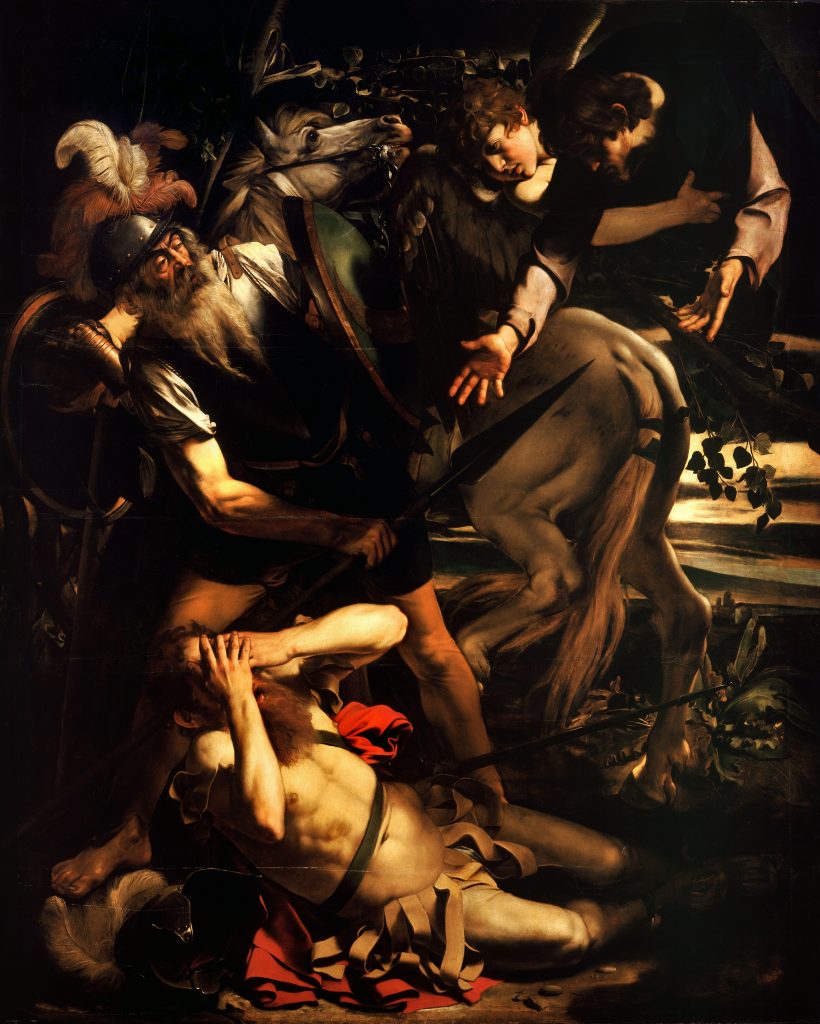
The Conversion of Saint Paul
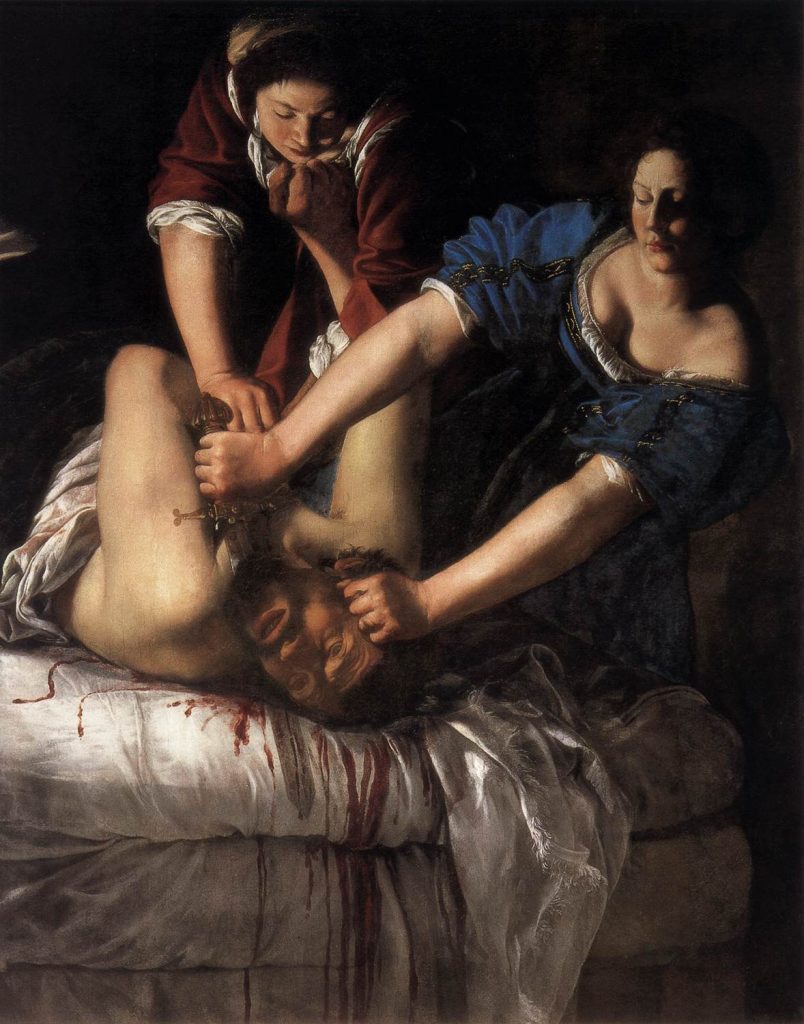
Judith Beheading Holofernes