Chiaroscuro
Poetics of Light and Shadow
Emerging as one of the canonical pictorial achievements of the Renaissance, Chiaroscuro – chiaro (light) plus scuro (dark) – transformed illumination from a descriptive element into a fundamental principle of representation. Through calibrated transitions between luminosity and shadow, painters modelled the body as a volumetric presence, articulated spatial depth, and established a hierarchy of perception within the painted field.
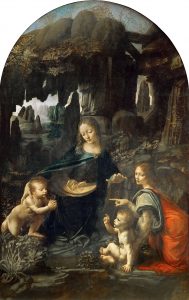
In the hands of Leonardo da Vinci, particularly in the Virgin of the Rocks (1483–86), light does not simply fall upon form; it appears to disclose it gradually from darkness, binding figure, atmosphere, and space into a unified visual continuum.
Yet Chiaroscuro was never merely an instrument of naturalism. Its deeper achievement lay in making visibility itself expressive: Light could signify revelation, knowledge, grace, or presence, while shadow introduced ambiguity, concealment, interiority, and psychological depth.
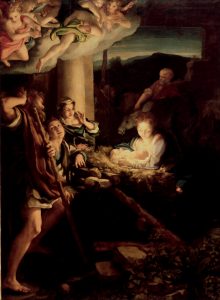
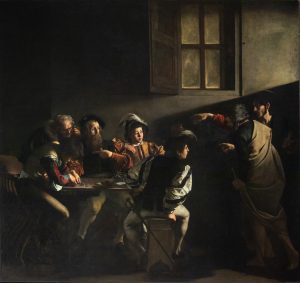
Correggio’s Adoration of the Shepherds (La Notte) (1529–30) transforms supernatural illumination into the spiritual and compositional source of the image, while Caravaggio’s Calling of Saint Matthew (1599–1600) brings the Renaissance investigation of light to a radical threshold: a sharply directed beam traverses darkness as both physical illumination and metaphysical event.
Across these works, chiaroscuro becomes more than the representation of light and shadow – it becomes a visual philosophy in which to illuminate is to reveal, to obscure is to withhold, and painting itself becomes an inquiry into what, and how, we are permitted to see.