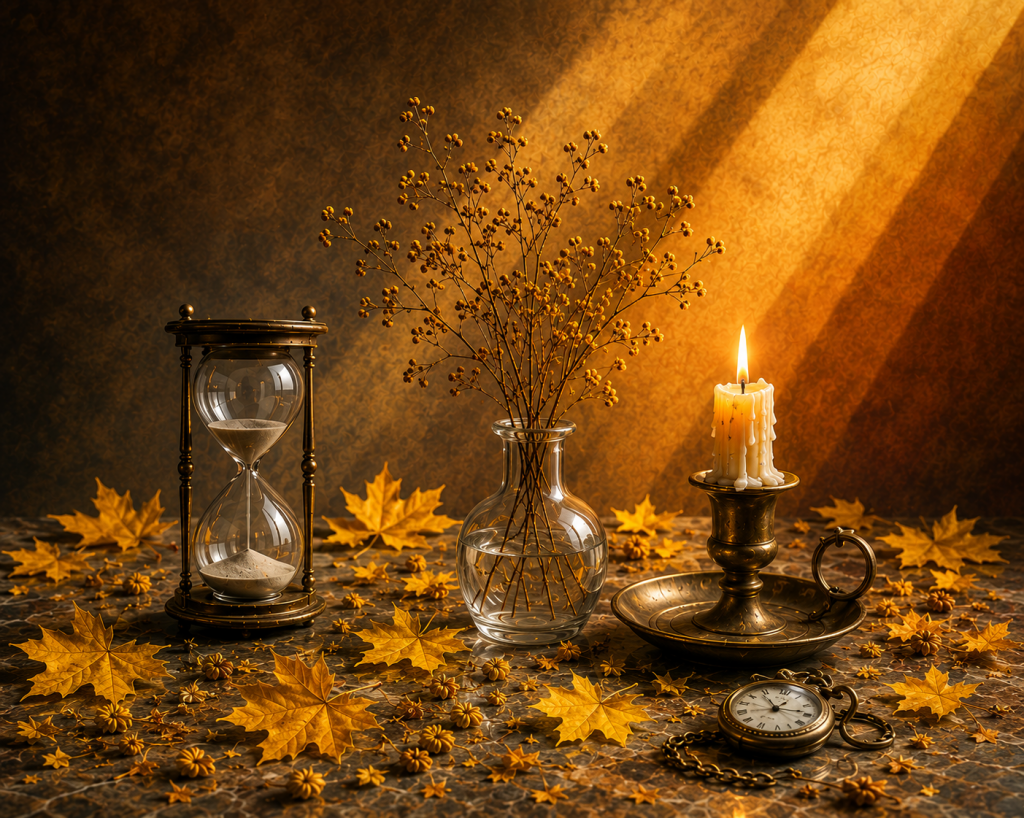
Still Life
Still Life Photography: The Secret Life of Things
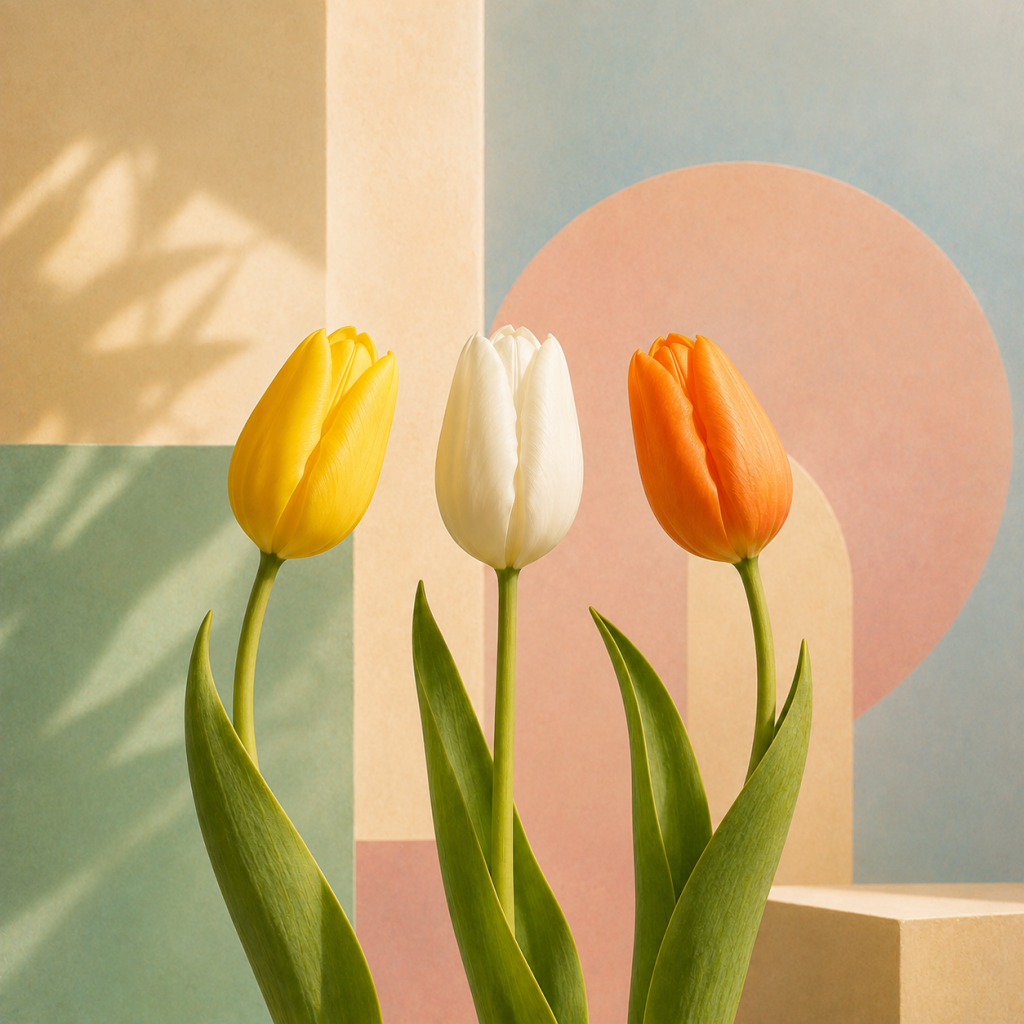
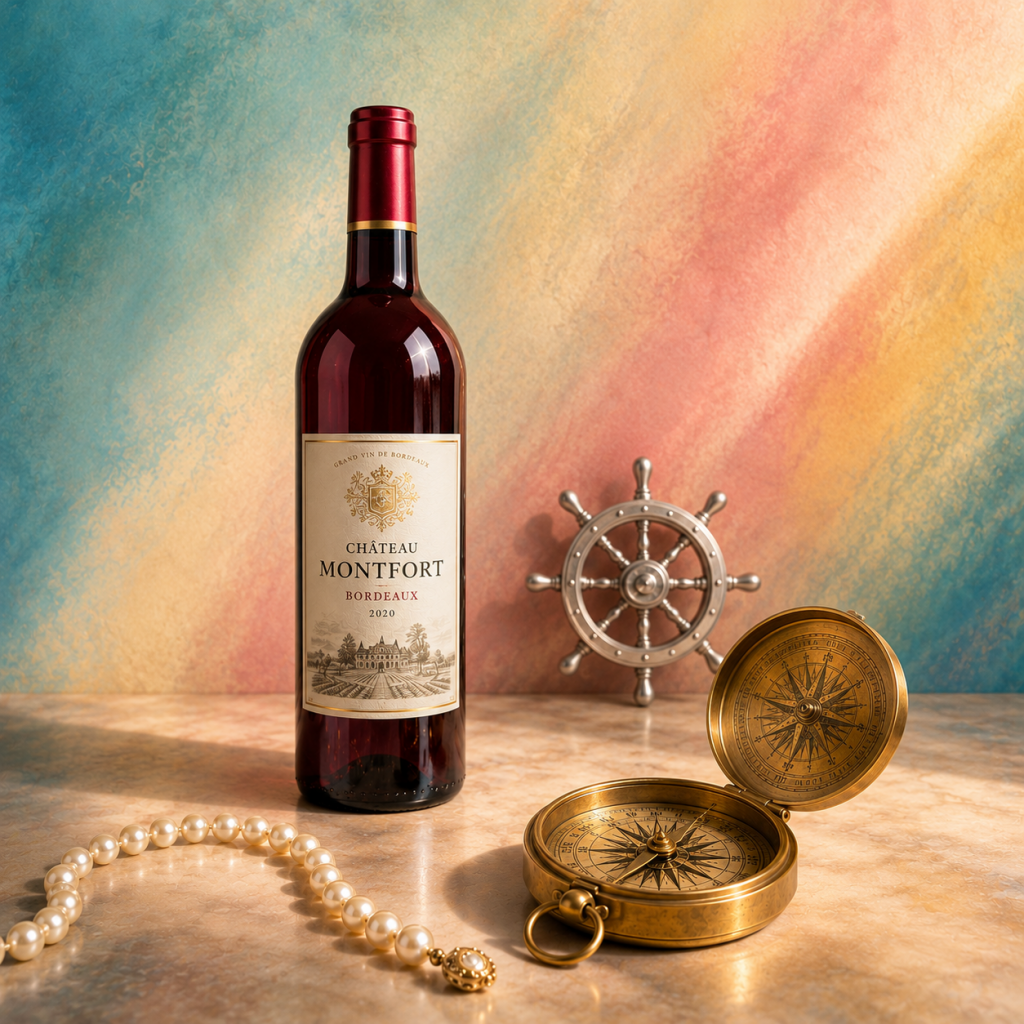
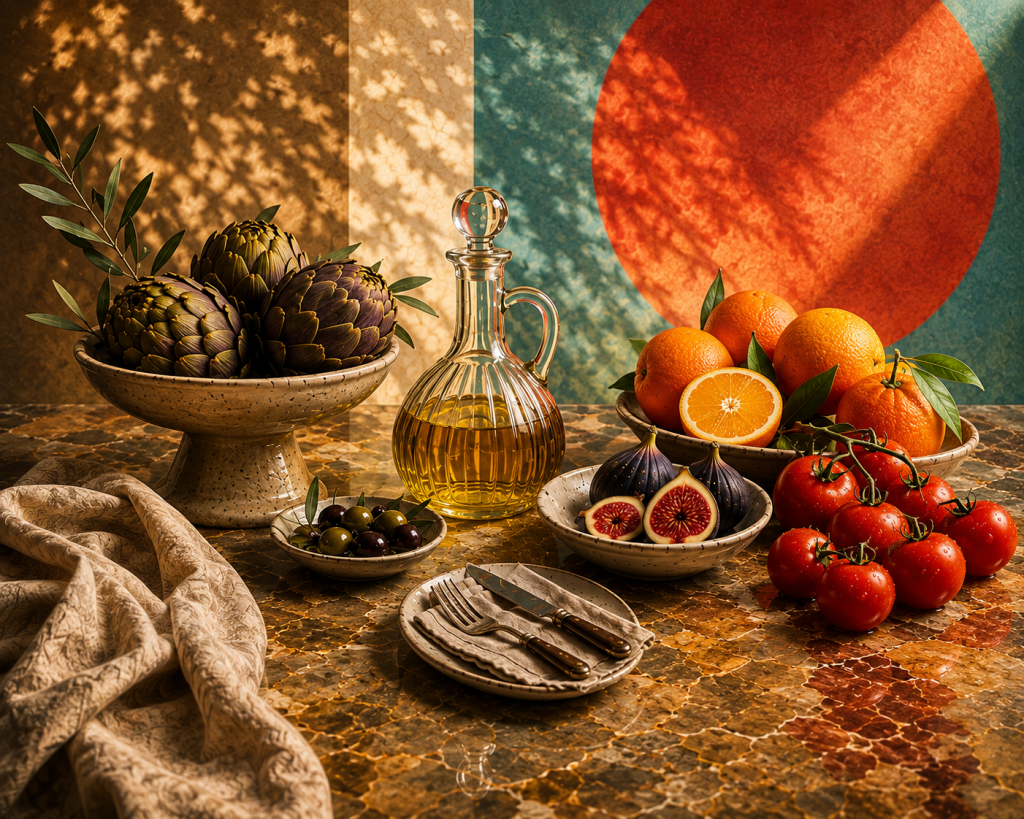
Still life occupies a singular place in the history of visual art. Its subjects are among the most ordinary things imaginable — fruit, flowers, vessels, books, fabrics, tools — yet for centuries artists have returned to them to investigate some of the most fundamental dimensions of existence and representation: Light, color, form, space, matter, time, and mortality.
Its apparent simplicity is deceptive. Freed from narrative action and human gesture, the object submits itself to sustained observation. Glass becomes an inquiry into transparency and refraction; metal into reflection; fruit into volume and color; fabric into texture and gravity; a flower into both exquisite structure and inevitable decay. Still life became, in this sense, a laboratory of seeing.
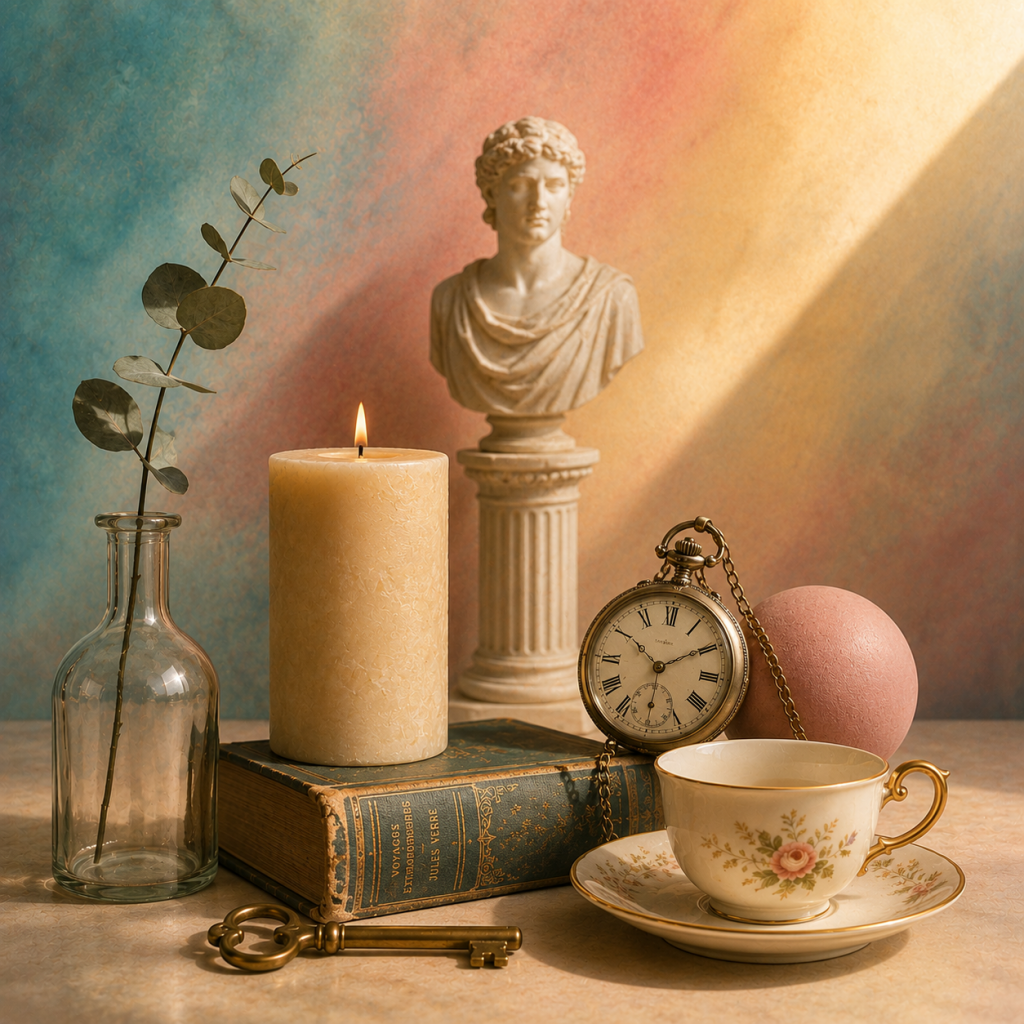
From Roman xenia and Renaissance symbolism to the Dutch stilleven and vanitas, objects acquired meanings far beyond their material presence. Flowers could signify transience, fruit abundance, extinguished candles mortality, books knowledge, and mirrors the instability of appearance. The silent object became capable of speaking about human existence precisely through the absence of the human figure.
Modern art radically extended this potential. Cézanne used apples and tables to question perspective and pictorial space; Cubism fragmented bottles, instruments, and newspapers to reconsider how objects are perceived. Surrealism went further, emancipating things from the logic of their customary world. Through unexpected encounters and displacement, familiar objects became uncanny — thresholds between material reality, memory, dream, desire, and the unconscious.
Yet there is a deeper reason for the persistence of the genre. The object confronts us with matter — with something that exists, occupies space, enters into relations, and can undergo change. And change lies at the foundation of our physical experience of time: Without something capable of changing, time becomes physically elusive. Every object thus carries an invisible temporal dimension. The fading flower, ripening fruit and burning candle of the vanitas are therefore more than symbols of time: They represent matter through which time becomes perceptible.
But a still life is never exhausted by the physical description of its objects. The image transforms the object into a chiffre, a visible presence capable of setting in motion an invisible field of memories, associations, histories and emotions. Meaning arises neither from the object alone nor entirely from the artist. It unfolds in the encounter between image and beholder. What is materially finite may thus become imaginatively inexhaustible.
The still-life object resembles an artifact encountered in a museum. Removed from ordinary use, it acquires another presence. Like the portrait in Oscar Wilde’s The Picture of Dorian Gray, the image becomes the bearer of what outward appearance conceals — time, experience, transformation, even an invisible history. In the Gombrichian sense, it is then the beholder who completes what the image initiates. We see the material thing before us, yet our consciousness reaches beyond it — toward the life that touched it, the epochs it traversed, the world from which it came, and the connotations that cannot be contained within its observable form.
Here lies one of still life’s profound paradoxes: the motionless image can become a vessel of time; the inanimate object can evoke life; the visible can awaken what is absent. Matter becomes atmosphere. Presence suggests memory. Surface opens into meaning.
Revelatory Aesthetic Photography™ elevates still-life imaging into an art of discovering what things reveal. Photography arrests their visible state, while light, composition, and perception release the larger field of meaning gathered around them. The silent object becomes the material witness of its passage through time, accumulating the traces of its transformations, encounters, and fate.